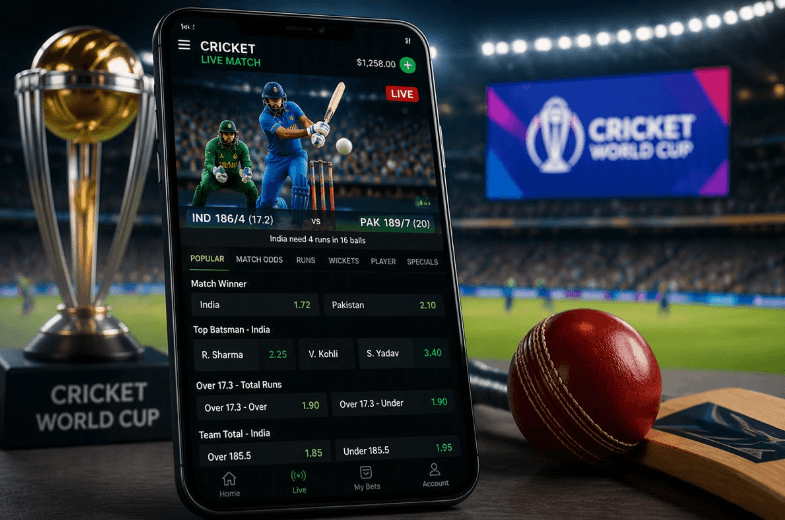
A tech blog trains readers to notice what changed, where the change happened, and which part of the system deserves attention first. A browser issue may come from cache, device settings, an outdated app version, weak signal, account permissions, or a broken page element. Live cricket betting pages deal with a faster version of that same sorting work. Scores change, markets pause, login sessions expire, wallet notes appear, and support routes may be needed while the match is still moving. Good page structure keeps those signals from colliding. The user should be able to follow the innings without mistaking a technical status, account warning, or payment message for match information.
Cricket Pages Need Troubleshooting Logic Built Into The Screen
Tech guides are useful when they separate symptom from cause. A frozen page is not always a bad internet connection. A login failure is not always a wrong password. That same careful separation matters for desi cricket online betting, where match data, live market movement, account access, and wallet sections can appear during one short phone session. The page should not require visitors to diagnose the interface while also following the game. Score updates belong near the match panel. Account prompts belong near sign-in controls. Payment notes belong near wallet history. When the screen sorts problems before they happen, the next action becomes easier to read.
Refreshes Should Not Rewrite The User’s Place
A tech blog often explains why a refresh can solve one issue and create another. Forms can clear, tabs can reload, a cached page can show older data, and a session can end without much warning. Live cricket pages carry those risks during active use. A visitor may leave for a message, return after a wicket, and find that both the score and account state have changed. The interface needs to preserve orientation. If the user was reading a wallet note before leaving, that note should not disappear behind a newly expanded match panel. When a market pauses, the message should remain next to the affected selection rather than shifting to a general alert area.
Status Messages Need A Home Address
Small screen messages become useful only when the user knows what they belong to. Pending near a wallet area means something very different from pending beside a page load. Expired near login means something different from a suspended market or a closed match. Locked near an account route should take the visitor toward support, not hover near ordinary cricket content. A tech article would never place an error explanation three sections away from the broken feature. A live betting page should follow the same discipline. The shorter the message, the more carefully the layout has to attach it to the field, panel, or control it explains.
Cache, Signal, And Session State Need Separate Clues
Many mobile problems feel similar from the user’s side. A slow score panel, a failed login, a missing market, or a delayed wallet note may all look as if the page simply stopped working. The screen should give separate clues for each cause. A connection issue can stay near the live feed. A session expiry message belongs with account access. A verification step needs a clear route back to the profile or identity area. A payment delay should remain near transaction history. When these clues are separated, users do not have to treat every pause as the same problem.
What Tech Blogs Teach Live Cricket Interfaces
Tech blogs help readers because they turn scattered symptoms into a practical sequence. Live cricket betting screens can borrow that habit without adding long instructions. The aim is to let the page explain itself through placement, labels, and stable grouping.
- Score, innings phase, recent balls, and delay notes should stay inside the match area.
- Market status should appear beside the selection it affects.
- Login, recovery, and verification prompts should remain inside the account path.
- Wallet wording should sit beside balance, transaction history, and withdrawal details.
- Support links, privacy settings, and personal-limit tools should remain easy to find before longer use.
Mobile Use Turns Minor Layout Issues Into Real Friction
A desktop screen gives cricket pages more room to recover from weak placement. A phone does not. The browser bar, keyboard, saved-password panel, notification banner, and connection changes can all reshape what the user sees. A market label may move lower after content loads. A wallet note may appear closer to a match button than intended. A sign-in field may lose its label after typing begins. Live cricket pages should be built for this interrupted behavior from the start. They need enough spacing around taps, stable labels after input, and account messages that remain separate from match controls even after a refresh.
Money Controls Should Never Feel Like Match Controls
Cricket can make people rush, especially when a chase tightens or a late wicket changes the innings. That pace belongs to sports viewing, not to deposits, withdrawals, identity checks, payment history, privacy settings, or personal limits. Adults should check current local rules before using betting features involving money. Rent, groceries, medicine, transport, savings, debt payments, and family needs should remain outside entertainment spending. A responsible live cricket page uses calmer wording in money-related areas, provides visible limit tools, offers clear account history, includes support routes, ensures privacy controls, and makes it easy to leave the page before another update pulls attention back to the match.
A Live Page Should Recover As Well As It Refreshes
The best test of a live cricket screen is not only what happens during a perfect connection. It is what happens after the user leaves, returns, reloads, signs in again, or checks a wallet note while the match keeps changing. A page shaped with tech-blog discipline can handle those breaks better because every part has a known place. Match movement stays close to the innings. Market notices stay beside the affected choices. Account routes remain readable after interruption. Wallet details do not compete with score updates. When a live betting page can refresh without confusing the user’s route, the experience feels faster because the structure is doing more of the work.