Japan is one of the most fascinating travel destinations in the world, offering a perfect blend of ancient traditions and modern innovation. If you’re planning a trip, knowing the best time to visit Japan can make a huge difference in your overall experience. From cherry blossoms in spring to vibrant festivals in summer, fiery foliage in autumn, and snow-covered landscapes in winter—each season offers something unique.
In this comprehensive guide, we’ll explore Japan’s seasons, weather patterns, travel tips, and the best months to visit based on your interests.
Understanding Japan’s Climate and Seasons
Japan has four distinct seasons, each bringing its own charm. The country stretches from north to south, meaning weather conditions vary across regions.
- Spring (March to May) – Mild and famous for cherry blossoms
- Summer (June to August) – Hot, humid, and festival-packed
- Autumn (September to November) – Cool with stunning fall foliage
- Winter (December to February) – Cold with excellent snow in northern regions
Understanding these seasonal differences is key to choosing the best time for your visit.
Spring (March to May): The Most Popular Time

Spring is widely considered the best time to visit Japan, thanks to the iconic cherry blossoms (sakura). These delicate pink flowers bloom across the country, attracting millions of visitors.
Why Visit in Spring?
- Cherry blossom viewing (hanami)
- Pleasant temperatures (10°C to 20°C)
- Ideal for sightseeing and outdoor activities
Best Time for Cherry Blossoms
- Tokyo & Kyoto: Late March to early April
- Hokkaido: Late April to early May
Things to Keep in Mind
- High tourist crowds
- Increased hotel prices
- Book accommodations early
Spring is perfect for first-time visitors who want to experience Japan at its most picturesque.
Summer (June to August): Festivals and Energy

Summer in Japan is lively, colorful, and full of cultural experiences. However, it’s also hot and humid, especially in cities like Tokyo and Osaka.
Highlights of Summer Travel
- Traditional festivals (matsuri)
- Fireworks displays (hanabi)
- Beach destinations like Okinawa
Major Festivals
- Gion Matsuri (Kyoto) – July
- Tenjin Matsuri (Osaka) – July
- Nebuta Festival (Aomori) – August
Challenges
- High humidity (up to 80%)
- Temperatures often exceed 30°C
- Rainy season (June)
If you enjoy cultural events and don’t mind the heat, summer can be an exciting time to visit.
Autumn (September to November): The Hidden Gem

Autumn is often considered the second-best time to visit Japan, offering stunning red and orange foliage (koyo) and comfortable weather.
Why Autumn is Amazing
- Crisp, cool air (12°C to 22°C)
- Fewer crowds than spring
- Vibrant fall colors
Best Time for Autumn Leaves
- Northern Japan: Late September
- Tokyo & Kyoto: November
Travel Advantages
- Lower humidity
- Better hotel availability
- Ideal for hiking and photography
Autumn is perfect for travelers seeking beauty without the intense crowds of spring.
Winter (December to February): Snow and Serenity

Winter offers a completely different side of Japan—quiet, peaceful, and magical.
Top Winter Experiences
- Skiing and snowboarding in Hokkaido
- Visiting hot springs (onsen)
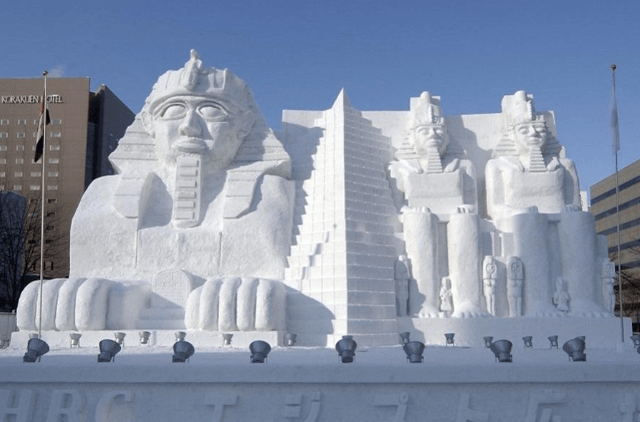
- Snow festivals
Popular Winter Events
- Sapporo Snow Festival (February)
- Illuminations in Tokyo and Osaka
Weather Conditions
- Cold temperatures (0°C to 10°C in most areas)
- Heavy snowfall in northern regions
Winter is ideal for snow lovers and those looking for fewer tourists.
Best Time to Visit Japan by Travel Goals
Choosing the best time depends on what you want to experience.
For Cherry Blossoms
- Late March to early April
For Festivals
- July to August
For Autumn Colors
- October to November
For Snow and Skiing
- December to February
Monthly Breakdown for Japan Travel
| Month | Travel Experience |
|---|---|
| January | Snow, skiing, low crowds |
| February | Snow festivals |
| March | Cherry blossoms begin |
| April | Peak sakura season |
| May | Pleasant weather |
| June | Rainy season starts |
| July | Festivals, hot weather |
| August | Fireworks, humid |
| September | Transition to autumn |
| October | Cool and colorful |
| November | Peak fall foliage |
| December | Winter begins |
Tips for Planning Your Trip to Japan
- Book Early during peak seasons (spring & autumn)
- Use Public Transport like trains for convenience
- Pack Smart according to the season
- Check Local Festivals before booking
- Avoid Golden Week (late April–early May) due to crowds
FAQs About the Best Time to Visit Japan
1. What is the absolute best month to visit Japan?
April is often considered the best month due to cherry blossoms and mild weather.
2. Is Japan crowded during cherry blossom season?
Yes, it’s the busiest time of year, especially in major cities like Tokyo and Kyoto.
3. When is the cheapest time to visit Japan?
Winter (January–February) is usually the most affordable period, excluding holidays.
4. Is summer a bad time to visit Japan?
Not necessarily—it’s great for festivals, but expect heat and humidity.
5. How long should I stay in Japan?
A 10–14 day trip is ideal to explore major cities and cultural sites.
Conclusion
The best time to visit Japan truly depends on your travel goals. If you dream of cherry blossoms, spring is unbeatable. For vibrant culture and festivals, summer delivers excitement. Autumn offers breathtaking scenery with fewer crowds, while winter provides peaceful landscapes and snowy adventures.
No matter when you visit, Japan promises an unforgettable experience filled with beauty, tradition, and innovation. Plan wisely, choose your season, and get ready to explore one of the world’s most captivating destinations.